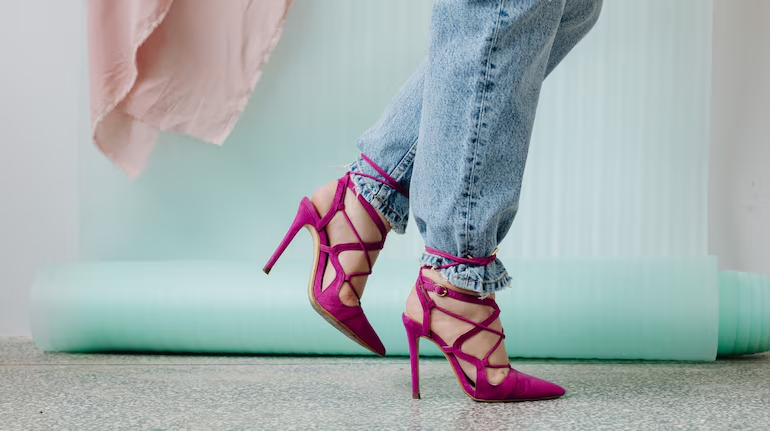
The Biggest Myth About Heels
Let’s start with a common belief:
“Heels are always uncomfortable.”
That’s not entirely true.
The real issue is not heels themselves—it is choosing the wrong type of heels.
In 2025, footwear design has evolved. Many brands now focus on ergonomic support, balanced heel height, and cushioned soles. This means you can wear heels daily without constant discomfort—if you choose wisely.
The goal is not to avoid heels.
The goal is to choose the right ones.
Why Daily-Wear Heels Need a Different Approach
Heels designed for parties and events are very different from heels meant for daily use.
Occasion heels prioritize appearance.
Daily heels must prioritize comfort.
If you wear heels regularly—for work, meetings, or commuting—you need footwear that supports your feet for long hours.
This includes:
- Balanced heel height
- Soft cushioning
- Stable base
- Proper foot alignment
If your routine includes long hours on your feet, you may also benefit from reading our internal guide on best comfortable shoes for women, which explains how proper support improves daily comfort.
What Actually Makes a Heel Comfortable?
Instead of focusing on brands, focus on structure.
Heel Height Matters More Than You Think
Very high heels increase pressure on the front of your foot.
Lower or mid-height heels distribute weight more evenly.
For daily wear, moderate height is the safest choice.
Block Heels vs Pencil Heels
Block heels provide better balance.
They reduce pressure and improve stability.
Pencil heels (stilettos) may look elegant, but they are not ideal for long hours.
If comfort is your priority, block heels are usually the better option.
Cushioning Is Non-Negotiable
Without cushioning, even the best-designed heel becomes uncomfortable.
Soft insoles absorb pressure and reduce fatigue.
This feature becomes essential for women who walk frequently.
Proper Fit Prevents Most Problems
Tight heels cause pain.
Loose heels reduce stability.
A proper fit ensures comfort and confidence.
The Hidden Impact of Wearing the Wrong Heels
Uncomfortable heels do more than cause foot pain.
They affect posture.
They change walking patterns.
They increase pressure on knees and back.
Over time, these effects become noticeable.
This is why professionals in physically demanding environments always rely on proper equipment. The same principle applies to footwear.
For example, in high-risk activities, preparation and gear selection are critical for safety. You can explore how proper preparation improves performance through skydiving safety and gear readiness guides available at SkydiveGuides.
Choosing the right heels follows the same logic—support leads to better performance.
Wearing Heels Daily? Your Body Needs Support Too
Comfort is not just about shoes.
It is also about how your body adapts.
Wearing heels regularly can tighten muscles and affect flexibility.
This is why many women include stretching routines in their daily schedule.
Practices such as yoga help maintain balance, improve posture, and reduce tension.
You can explore helpful routines through guided yoga and posture improvement techniques available at YogaSniff, which focuses on flexibility and recovery.
Combining supportive heels with stretching reduces long-term discomfort.
Heels and Travel — A Practical Reality Check
Many women wear heels while traveling, especially for business trips or events.
But travel often involves more walking than expected.
Airports, hotels, meetings, and city exploration require comfortable footwear.
This is where practicality becomes important.
Travelers participating in outdoor activities often rely on equipment that adapts to changing environments.
You can understand how preparation improves travel comfort by reviewing scuba travel gear and preparation guides available at ScoobaDiveGuide, which highlight the importance of choosing reliable equipment.
The same principle applies to footwear—choose wisely for the environment.
When Heels Are the Right Choice
Heels are suitable when:
You need a professional appearance
Your work environment requires formal attire
You attend meetings or events
You prefer elevated style
You choose comfort-focused designs
Heels are not the problem.
Wrong heels are.
When You Should Avoid Heels
There are situations where heels may not be the best option.
Long-distance walking
Standing for extended hours
Travel-heavy days
Outdoor uneven surfaces
In these cases, switching to more supportive footwear can prevent discomfort.
A Simple Rule for Choosing Daily Heels
If you cannot walk comfortably for at least 2–3 hours,
the heel is not suitable for daily wear.
This rule helps you avoid most mistakes.
Final Thoughts
Heels do not have to be painful.
In 2025, women have access to better-designed footwear that balances comfort and style.
Choosing the right heels improves posture, reduces fatigue, and supports daily movement.
The focus should not be on avoiding heels.
It should be on selecting heels that work for your lifestyle.
Comfort is not a compromise.
It is a requirement.
FAQs
Are heels suitable for daily wear?
Yes, if they have proper cushioning, moderate height, and good support.
What heel height is best for daily use?
Low to mid-height heels are ideal for comfort.
Are block heels better than stilettos?
Yes, block heels provide better stability and support.
Can heels cause long-term problems?
Yes, if they are uncomfortable or worn incorrectly.
How can I make heels more comfortable?
Choose the right size, use cushioned insoles, and take breaks when needed.