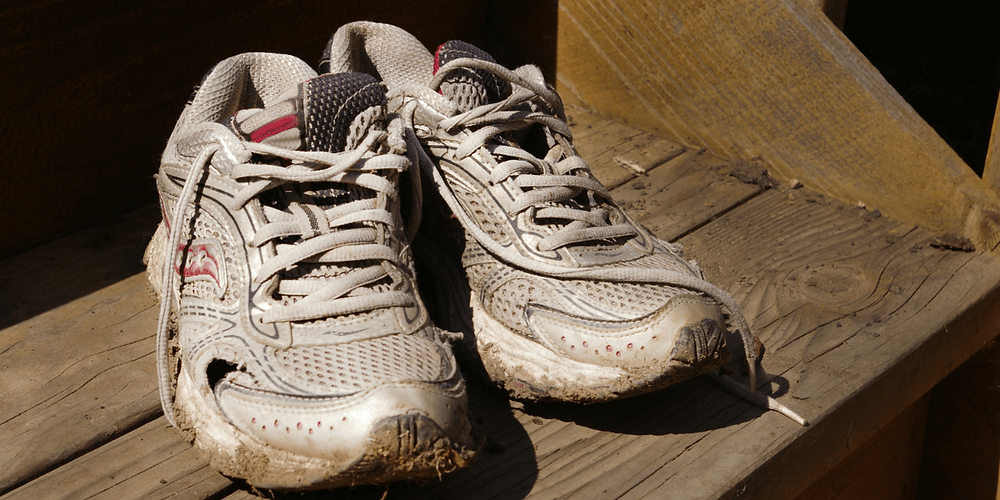
Most People Replace Shoes Too Late
Many people continue wearing shoes long after they should have been replaced.
At first, the changes are subtle. The shoes may look fine from the outside, but internally, cushioning and support begin to weaken. Over time, discomfort increases, and performance decreases.
In 2025, footwear technology has improved, but even the best shoes have a limited lifespan.
Recognizing the right time to replace your shoes protects your comfort, prevents injuries, and saves money in the long run.
Warning Sign #1 — Persistent Foot Pain
Foot pain is one of the earliest indicators that your shoes are no longer providing adequate support.
If you notice soreness after walking or standing, your footwear may have lost its cushioning.
Pain is not something to ignore.
It is your body’s way of signaling that something needs attention.
People who spend long hours on their feet often experience discomfort when their shoes wear out. If this sounds familiar, you may want to review our internal guide on best shoes for standing all day, which explains how proper support reduces strain.
Replacing worn-out footwear early prevents long-term problems.
Warning Sign #2 — Flattened or Worn-Out Soles
The sole is the foundation of your shoe.
When it becomes flat or uneven, stability decreases.
This can affect balance and increase the risk of slipping.
Check the bottom of your shoes regularly.
Uneven wear patterns usually indicate that replacement is necessary.
Maintaining stability is essential in many physically demanding environments.
For example, individuals participating in high-risk activities rely on dependable equipment to ensure safety.
You can learn more about the importance of reliable gear by exploring skydiving equipment inspection and safety practices available at SkydiveGuides, where regular checks prevent accidents.
The same principle applies to footwear.
Warning Sign #3 — Reduced Cushioning
Cushioning absorbs shock and protects joints.
Over time, this cushioning compresses and loses effectiveness.
You may notice:
Harder steps
Increased fatigue
Less comfort during walking
If your shoes feel less comfortable than before, the cushioning may be worn out.
This is especially common in running and walking shoes.
Warning Sign #4 — Visible Cracks or Damage
Small cracks may seem harmless at first.
But they often indicate structural weakness.
Damaged materials reduce durability and increase the risk of injury.
Regular inspection helps identify problems early.
Repairing or replacing shoes promptly prevents further damage.
Warning Sign #5 — Heel Slipping
Heel slipping is a common sign of worn-out shoes.
When the back of the shoe loses structure, stability decreases.
This can lead to blisters and discomfort.
A secure fit is essential for comfort and safety.
If your shoes no longer feel stable, replacement is likely necessary.
Warning Sign #6 — Persistent Odor
Unpleasant odor is not always caused by poor hygiene.
Sometimes it indicates material breakdown.
Old shoes absorb moisture and bacteria over time.
Replacing them improves comfort and hygiene.
Maintaining clean footwear also supports overall foot health.
Many people combine good hygiene with regular movement and stretching.
You can explore helpful techniques through daily yoga and relaxation routines available at YogaSniff, which focus on improving circulation and comfort.
Healthy habits extend both foot health and shoe performance.
Warning Sign #7 — Reduced Grip on Surfaces
Shoes with worn-out soles lose traction.
This increases the risk of slipping, especially on smooth or wet surfaces.
Grip is essential for safety in both indoor and outdoor environments.
Travelers and outdoor enthusiasts understand the importance of reliable equipment.
You can see how preparation improves safety by reviewing scuba gear maintenance and travel readiness guides available at ScoobaDiveGuide, which emphasize the importance of dependable equipment.
Reliable footwear plays the same role in everyday movement.
How Long Shoes Typically Last
The lifespan of shoes depends on usage.
However, general guidelines can help you estimate replacement time.
Running shoes usually last 6 to 12 months.
Walking shoes typically last 8 to 12 months.
Formal shoes may last 1 to 3 years.
Replacing shoes within these timeframes helps maintain comfort.
If you want to extend durability, you may also benefit from reviewing our internal guide on how to make shoes last longer, which explains maintenance habits that protect footwear.
Why Waiting Too Long Can Cost More
Delaying replacement often leads to additional problems.
Foot pain may require medical treatment.
Poor support may reduce productivity.
Increased wear may damage other shoes.
Replacing footwear at the right time prevents these issues.
A Simple Rule for Knowing When to Replace Shoes
If your shoes feel uncomfortable, unstable, or worn out, it is time to replace them.
Do not wait for visible damage.
Listen to your body.
Comfort and safety should always come first.
Final Thoughts
Shoes are essential for daily movement.
Ignoring signs of wear can lead to discomfort and long-term problems.
Recognizing early warning signals helps you maintain comfort and protect your health.
In 2025, modern footwear offers better performance than ever before—but even the best shoes require timely replacement.
Taking action at the right time keeps you comfortable and confident every day.
FAQs
How do I know if my shoes need replacement?
Persistent discomfort, worn soles, and reduced cushioning are common signs.
Can old shoes cause foot pain?
Yes, worn-out shoes often lead to discomfort and fatigue.
How often should shoes be replaced?
Most daily-use shoes should be replaced every 6 to 12 months.
Is it safe to repair old shoes instead of replacing them?
Minor repairs are possible, but heavily worn shoes should be replaced.
Does replacing shoes improve comfort immediately?
Yes, new shoes restore support and cushioning.